Transforming Supply Chain Operations with AI Optimization
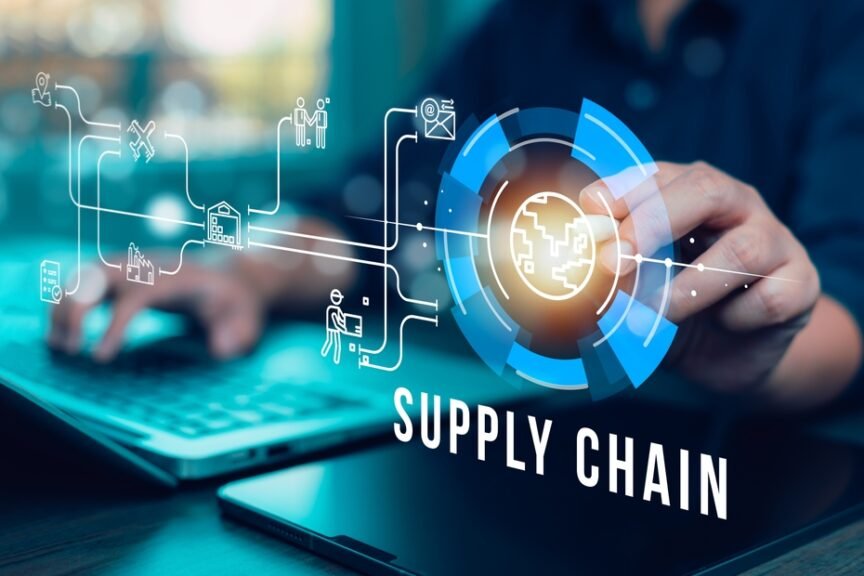
Modern supply chains involve complex networks of suppliers, warehouses, transportation systems, and customer demand forecasting. Managing these moving parts manually can lead to delays, inefficiencies, and increased operational costs.
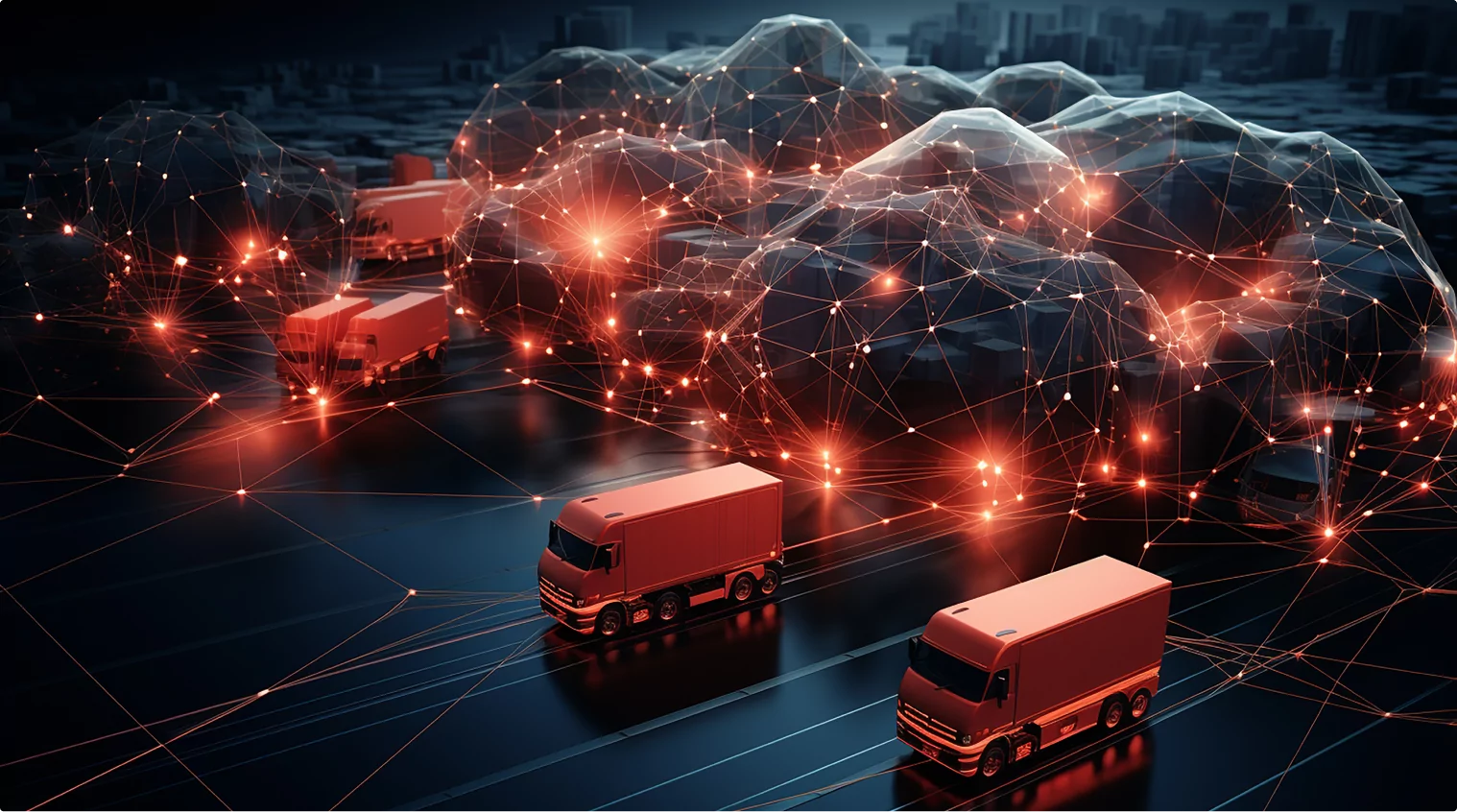
AI-powered logistics systems analyse real-time data from inventory levels, shipping routes, weather conditions, and customer demand to make faster and more accurate operational decisions. These systems can predict disruptions, optimise delivery schedules, and improve warehouse efficiency automatically.
By using predictive analytics and intelligent automation, businesses can reduce waste, improve delivery times, and maintain more accurate inventory management. AI also helps organisations respond quickly to sudden market changes or supply chain disruptions.
The result is a more agile, cost-effective, and efficient supply chain capable of adapting to changing business demands in real time.
The Assessment
AI in supply chain and logistics improves operational efficiency by analysing real-time data to optimise inventory, transportation, and demand forecasting. It reduces delays, lowers costs, and improves decision-making across the supply chain.
While highly effective, human oversight is still important for strategic planning and exception handling. Overall, AI enables businesses to build faster, smarter, and more resilient logistics operations.
Total Views
1%
Real time interaction
across 90+ nations
Creative Impact
1%
Innovation increase in creative impact
Happy Clients
1k+
Satisfied and happy users served worldwide
Key Benefits of AI in Supply Chain & Logistics
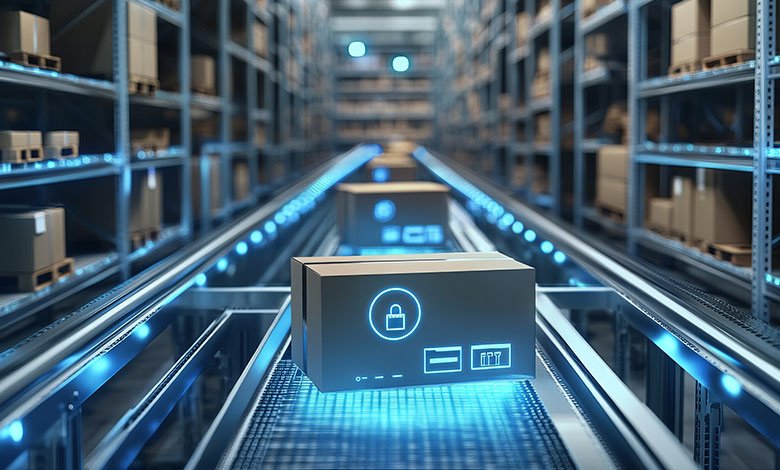
AI improves supply chain efficiency by optimising delivery routes, predicting demand, and automating inventory management. This helps businesses reduce operational costs, minimise delays, and improve overall productivity.
It also enhances decision-making through real-time data analysis, allowing organisations to respond quickly to disruptions and changing market conditions. As a result, businesses can create faster, more reliable, and more scalable logistics operations.
How does AI improve supply chain management?
AI analyses operational data to optimise inventory levels, delivery routes, and demand forecasting in real time.
Can AI reduce delivery delays?
Yes. AI helps identify traffic, weather, or operational disruptions early and adjusts logistics plans automatically.
Does AI help with inventory management?
Yes. AI predicts demand patterns and helps businesses maintain accurate stock levels while reducing waste.
Can AI adapt to supply chain disruptions?
Yes. AI systems can quickly analyse changing conditions and recommend alternative routes, suppliers, or inventory strategies.